Bali culture, known as the “Island of the Gods,” is a blend of ancient beliefs, ritual, arts, and customs. Hinduism, influenced by animism and local beliefs, is central the the culture. Bali is renowned for its traditional dance forms, elaborate ceremonies, and colorful festivals. Balinese society values harmony, cooperation, and respect for elders. The island’s architecture, including temples, is characterized by intricate stone carvings. Balinese cuisine reflects its cultural diversity.
Religion
Bali’s religion is primarily Hinduism, which differs from the rest of Indonesia, where Islam predominates. Balinese Hinduism blends local animism, ancestor worship, and Buddhism with Hinduism, creating a unique cultural and spiritual identity. It emphasizes rituals, ceremonies, and offerings to maintain harmony between humans, nature, and the divine, observed through vibrant temple festivals and daily practices. This distinctive religious and cutural heritage shapes Balie’s art, architecture, and daily life, attracting visitors seeking spiritual insight and cultural immersion.
Festivals of Bali
Nyepi (Day of Silence)
It marks the Balinese New Year based on the lunar calendar. The day before Nyepi, there are colorful processions known as “Melasti,” where people parade to the sea to purify themselves. On Nyepi itself, the entire island observes a day of silence, where no activities are allowed, including lights and entertainment. it’s a time for self-reflection, meditation and purification.
Galungan & Kuningan
Galungan is a Hindu festival celebrating the victory of dharma (good) over adharma (evil). It occurs every 210 days and lasts for about 10 days. The festivities include offerings to ancestors, traditional dances, and beautifully decorated penjor (bamboo poles) lining the streets. Kunigan, which falls on the last day of Galungan, marks the day when ancestral spirits return to heaven.
Bali Arts Festival
Held annually from June to July in Denpasar, this month-long festival showcases Bali’s traditional arts and culture through dance performances, music, crafts, and exhibitions. It’s a great opportunity to experience Bali’s diverse cultural heritage in one place.
Kuta Karnival
This festival celebrates Kuta’s beach culture with various events such as music concerts, beach competitions, food festivals, and environmental awareness programs. It’s usually held in October and attracts both locals and tourists.
Discover: The Diverse Regions of Bali
South Bali – The most visited part of Bali by far, with Kuta Beach and chic Seminyak.
Central Bali – The island’s cultural hear and includes the central mountain range.
West Bali – Ferries to Java and West Bali National Park.
North Bali – Quiet black sand beaches and ancient capital city.
Southeastern Islands – Quiet offshore islands in the southeast, popular for diving activities.
East Bali – Laid-back coastal villages, and active volcano and the mighty Mount Agung.
Things To Do In Bali
Visit Temples: Explore iconic temples like Tanah Lot and Uluwatu.
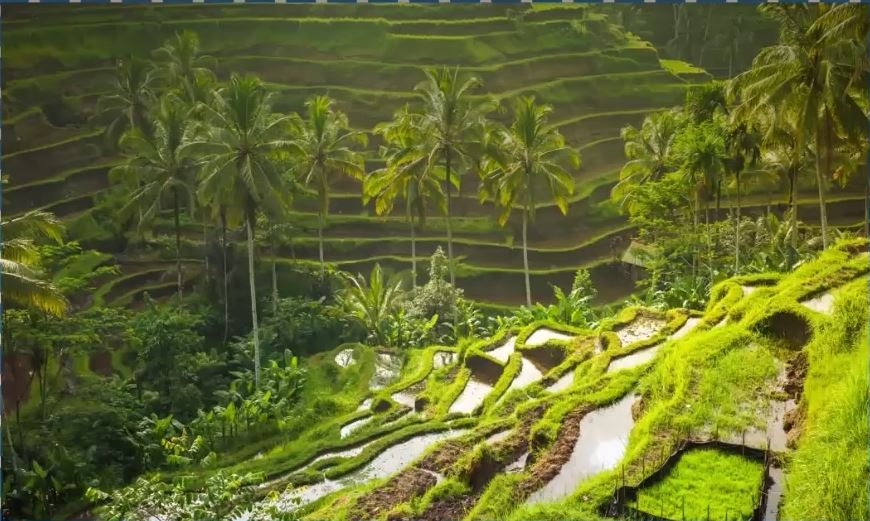
Ubud: Discover art markets, rice terraces, and cultural performances.
Beaches: Relax at Kuta, Seminyhak, or Nusa Dua beaches.
Water Activities: Snorkel in crystal-clear waters or surf at Uluwatu.
Mount Batur: Hike to watch sunrise from the volcanic peak.
Cultural Shows: Attend traditional dance perfomances.
Cooking Classes: Learn Balinese cuisine with local chefs.
Spa & Wellness: Indulge in Balinese massages and spa treatments.
Shopping: Shop for souvenirs at Ubud Art Market or Seminyak boutiques.
Adventure: ATV rides, white-water rafting, and jungle trekking.
Interesting Fact about Bali Culture
One of the most popular and interesting facts about Bali is its unique calendar system called the…
“Pawukon” calendar
This calendar consists of 210 days divided into 10 different weeks, each with its own specific rituals and ceremonies. It governs daily life on the island, influencing everything from religious events to agricultural activities, making it a fascinating culture aspect of Balinese life.
Bali’s Holy Sites
Tirta Gangga
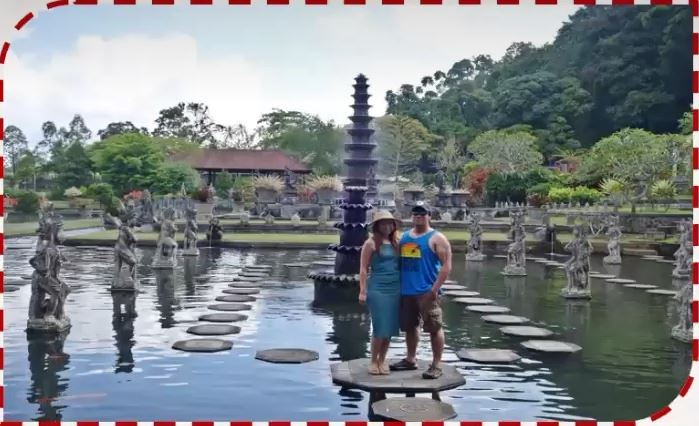
Situratied in East Bali, Tirta Gangga is a captivating water palace renowned for its serene beauty and lush landscapes. Built in 1948 by the King of Karangasem, this former royal retreat features ornate fountains, tranquil pools, and tiered gardens. The palace’s reflective water gardens and intricate statues create a peaceful ambiance, making it a popular spot for both relaxation and photography. Visitors can stroll through the manicured grounds, admire the elegant water features, and enjoy the panoramic views of the surrounding countryside. Tirta Gangga offers a serene escape and a glimpse into Bali’s rich cultural heritage.
Tirta Empul
Tirta Empul is a revered Hindu temple located in Central Bali, know for its sacred spring water believed to have purifying properties. Established in the 1-th century by the legendary King Udayana, the temple complex features a series of purification baths, fountains, and pools where locals perform traditional cleansing rituals. The site is adorned with intricate carvings and traditional Balinese architecture, providing a deep cultural and spiritual experience. Visitors can observe or participate in the purification process, making it a significant destination for those interested in Balinese spiritual practices and temple traditions. Tirta Empul remains a vibrant center of local religious life and heritage.
Lempuyang Temple
Lempuyang Temple is a historic and spiritually significant site located in East Bali. Renowned for its breathtaking “Gateway to Heaven,” this ancient temple offers stunning views of Mount Agung and the surrounding landscape. The temple complex, one of Bali’s oldest, features a series of ascending stairways and beautifully adorned gates that symbolize a spiritual ascent to the heavens. Visitors often come for the iconic photo opportunity at the gateway, capturing the dramatic backdrop of the volcano. Lempuyang Temple is not only a major pilgrimage site but also a place where the scenic beauty and deep cultural traditions of Bali converge.
Uluwatu Temple
Uluwatu Temple is a majestic sea temple perched on a dramatic cliff overlooking the Indian Ocean in southern Bali. Dating back to the 11th century, the temple is renowned for its stunning cliffside location and panoramic ocean views. It’s a prominent site for witnessing traditional Kecak dance performances, which take place against the backdrop of spectacular sunsets. The temple is a significant cultural and spiritual landmark, known for it unique setting and the resident monkeys that add a touch of local wildlife charm. Uluwatu Temple offers a captivating blend of natural beauty, cultural heritage , and spiritual ambiance.
Tanah Lot Temple
Tanah Lot Temple is an iconic sea temple located on a rocky outcrop off the coast of Bali. Built in the 15th century, it is one of Bali’s most photographed landmarks, renowned for its picturesque setting and dramatic sunsets. The temple is dedicated to the sea gods and is believed to protect Bali from evil spirits. During low tide, visitors can approach the temple, while at high tide, it appears to bloat on the ocean. Tanah Lot is a major cultural site and a popular destination for both spiritual reflection and scenic photography, embodying Bali’s rich heritage and natural beauty.
Bali Purification Ceremony
The Bali purification ceremony, know as “Melasti,” is a significant ritual in Balinese Hindu culture. Typically held a few days before the major religious celebrations such as Nyepi (Balinese New Year), Melasti serves to purify both the physical and spiritual realms.
During Melasti, Balinese Hindus gather at sacred water sources like beaches, rivers, or lakes. They bring sacred objects, including temple heirlooms and offerings, to be cleansed. The ceremony involves elaborate processions with traditional music and dance, where participants perform ritual to purify temselves, their families, and their communities.
The essence of Melsti lies in the belief that the ceremony helps remove negative influences and impurities, preparing participants for the upcoming holy days with a renewed sense of purity and spiritual readiness. It reflects the Balinese commitment to maintaining harmony between the spiritual and earthly realms.
Author: Jameson Terrell
Web: https://sonora-luxe.com
Email: [email protected]
Phone: 661-282-7268